

Get the Latest Updates!

.svg)

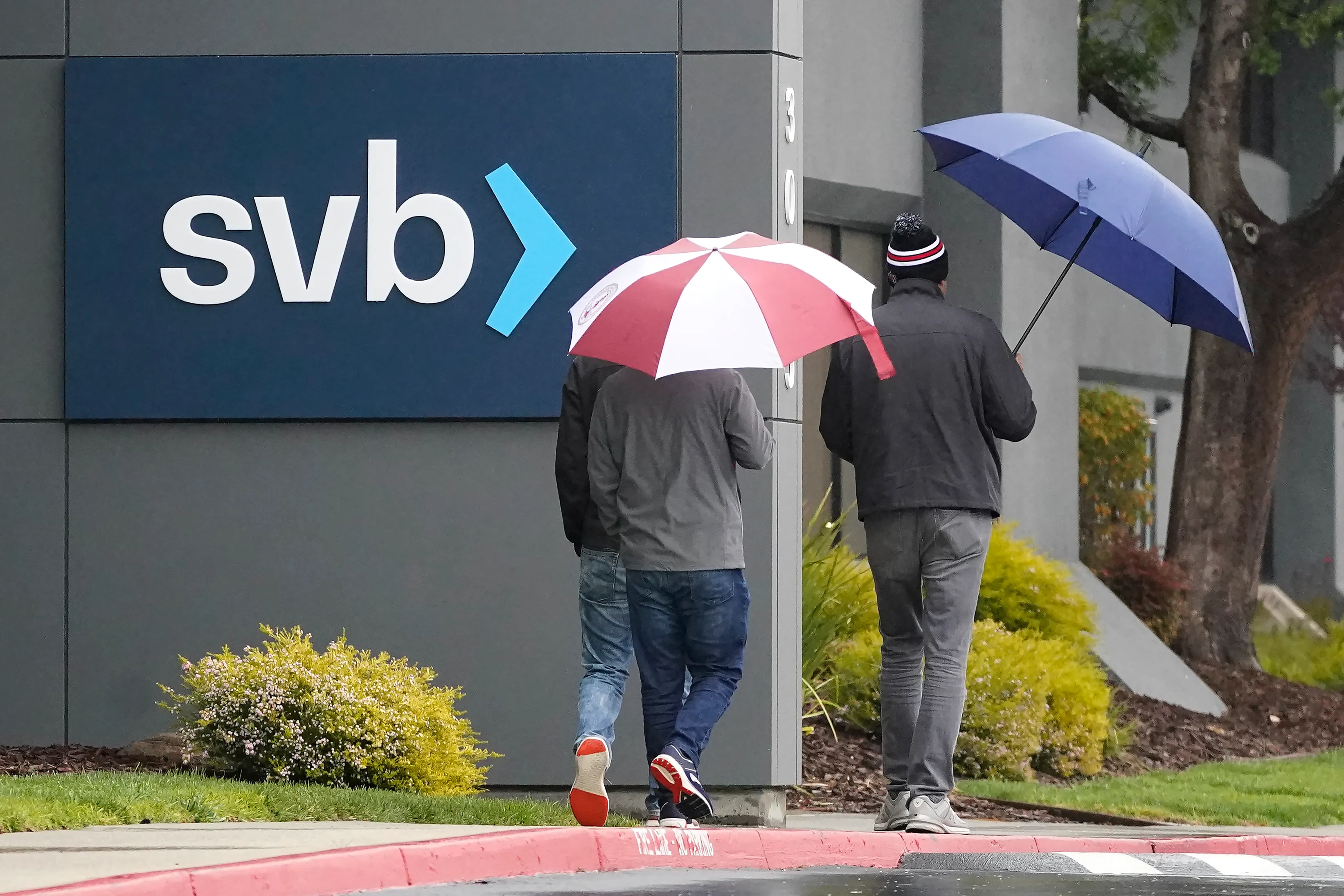

After a difficult week that included a failed attempt to borrow money and a cash outflow from the software entrepreneurs that had powered the lender's ascent, Silicon Valley Bank became the largest US lender to fail in more than a decade.
Authorities intervened and seized it on Friday, a shocking setback for a lender that had doubled in size over the previous five years and was valued at more than $40 billion only a year ago.
The decision by California state regulators to seize the bank, known as SVB, and appoint the Federal Deposit Insurance Corporation as receiver adds to the turbulence at smaller institutions prompted by the United States' quick interest-rate rises. Only days previously, Silvergate Capital Corp. announced the closure of its bank, sparking a selloff in industry equities.
Banks were already feeling the effects of the rate hike, which undermined the value of their portfolios, while consumers in the technology and crypto startup areas were withdrawing funds amid a decline in their businesses. In SVB's case, the instability exacerbated itself as clients concerned about the bank's viability hurried to withdraw funds.
"Bank runs are mostly psychological. And it's understandable to be anxious at this time," said Saule Omarova, a law professor at Cornell University.
The scenario spurred a series of conversations among key authorities in Washington.
Treasury Secretary Janet Yellen convened a meeting with executives from the Federal Reserve, the FDIC, and the Office of the Comptroller of the Currency on Friday to examine SVB developments. In a statement, Yellen stated that the US financial system "remains resilient" and that regulators "have adequate instruments" to deal with the impact.
According to a source familiar with officials' talks who requested not to be identified because they were discussing internal deliberations, the government is examining whether it can sell SVB, or portions of it, by Monday. That is the day when clients may go to the bank and withdraw the remainder of their funds.
An emailed request for comment from Treasury officials was not immediately returned.
SVB's problems worsened after Peter Thiel's Founders Fund and other prominent venture capital firms encouraged their portfolio businesses to withdraw funds from the bank. The calls came after parent business SVB Financial Group announced plans to raise more than $2 billion in the capital following a large loss on its portfolio.
The FDIC stated that insured depositors of SVB will have access to their monies by Monday morning. Uninsured depositors will get a receivership certificate for the remaining amount of their uninsured funds, according to the regulator, however, the amount is not yet confirmed. The California Department of Financial Protection and Innovation announced the takeover, citing insufficient cash and bankruptcy.
In most cases, receivership implies that a bank's deposits will be taken by another, strong bank, or that the FDIC will pay depositors up to the insured amount.
"The FDIC receivership will put an end to the uncertainties surrounding this specific bank," Omarova added. "But, I don't believe it necessarily prevents individuals from feeling less safe if they have some type of exposure to assets or store their own money in banks with comparable risk profiles."
According to a statement from the bank's 20th anniversary, SVB was created in 1983 during a poker game between Bill Biggerstaff and Robert Medearis. From its inception, the company has focused on providing financial services to technology entrepreneurs.
On Thursday, US authorities arrived at SVB's California offices as the ailing lender battled to fix its finances, according to Trade Algo
According to the FDIC, the bank had around $209 billion in total assets and approximately $175.4 billion in total deposits at the end of last year.
Image
Gallery.


Subscribe to our newsletter!
As a leading independent research provider, TradeAlgo keeps you connected from anywhere.

Explore
Related posts.
